Nutrition
··5 min readHow Many Meals a Day Should You Actually Eat to Lose Fat? (The Real Answer)

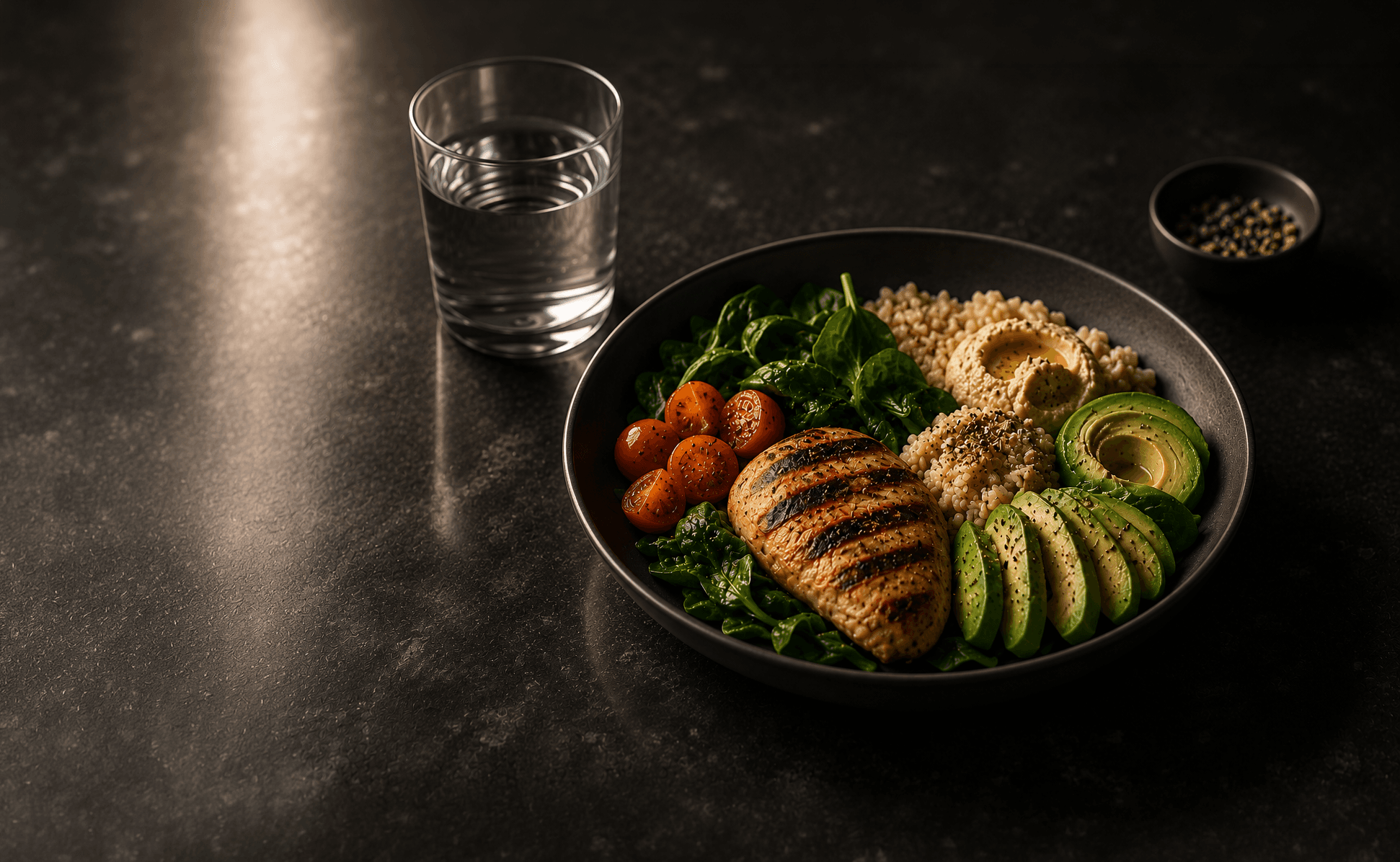
Three meals. Six small meals. Two meals inside an eight hour window. Every one of these has been sold at some point as the "right" number for fat loss, usually with a confident explanation about metabolism that doesn't hold up under scrutiny.
Here's what the research actually shows, and why the number of meals you eat matters a lot less than what most people assume.
The short answer
Meal frequency has almost no direct effect on fat loss. What determines whether you lose fat is total calories consumed versus calories burned over time. Eating six meals a day doesn't "stoke your metabolism" any more than eating two meals does. The number of meals that works best for you is simply the number that makes it easiest to hit your calorie and protein targets consistently, without feeling like you're white knuckling through the day.
That's genuinely the whole answer. The rest of this comes down to picking the structure that fits your life.
Why the "more meals boosts metabolism" idea stuck around
This idea comes from a real but tiny effect called the thermic effect of food, the energy your body spends digesting what you eat. Splitting the same total calories into more meals does very slightly increase how often that digestive cost occurs. The problem is the size of the effect: it's small enough that it doesn't meaningfully change fat loss outcomes when total calories are equal. Multiple controlled studies comparing different meal frequencies at matched calorie intake have found no significant difference in fat loss between groups.
The idea persists because it sounds intuitive, more meals feels like more metabolic activity. It's just not supported by what actually happens when researchers control for total calorie intake.
So what actually determines your results
Total calories in versus out. This is still the primary driver of fat loss, regardless of whether those calories arrive in two meals or six.
Protein intake. Adequate protein, generally spread across the meals you're already eating, supports muscle retention during fat loss and tends to improve satiety regardless of meal count.
Adherence. This is where meal frequency actually matters, just indirectly. The eating pattern that helps you stay within your calorie target for weeks and months in a row will always outperform the theoretically optimal pattern that you abandon after ten days.
How to actually choose your meal frequency
Instead of asking "what's the ideal number," ask these questions about your own life:
Do you get hungry and irritable if you go long stretches without eating? If yes, more frequent, smaller meals will likely help you stick to your plan, even though it isn't doing anything special metabolically.
Do you find yourself grazing and losing track of what you've eaten? Fewer, more defined meals often make it easier to stay accountable to a target, since there are fewer separate eating occasions to track.
Does your schedule make regular meals difficult? Some people do well with a smaller eating window (commonly called intermittent fasting) simply because it removes decisions rather than adding them. Others find that same structure makes them ravenous and prone to overeating later in the day. Neither is objectively correct. Test what fits.
Are you training, and when? Having some protein and carbohydrate around your training window can support performance and recovery, but this is a scheduling preference within your day, not a fat loss requirement on its own.
A practical starting point
If you have no strong preference either way, three meals a day with a source of protein at each one is a reasonable, low friction default that most people can sustain. From there, adjust based on hunger, schedule, and how consistent you're actually able to be, not based on a claim about metabolism that doesn't hold up.
This is also where personalized planning earns its keep over a generic template. A meal plan built around your actual schedule, food preferences, and how many times a day you realistically want to eat is far more likely to get followed than one built around a "perfect" number that ignores your life. MVPeak's meal planning starts from your goals and preferences during your intake with Max, then builds a structure around them, whether that's three balanced meals, two larger ones, or a smaller eating window, rather than assuming there's one right answer for everyone.
FAQ
Does eating more often really speed up your metabolism? Not meaningfully. The thermic effect of digesting food is small and doesn't change in any way that affects fat loss when total calories are equal across meal frequencies.
Is intermittent fasting better than eating several small meals for fat loss? Research comparing the two at matched calorie intake generally shows similar fat loss outcomes. The better option is whichever pattern you can actually sustain.
How many meals a day is best for building muscle while losing fat? Meal frequency itself isn't the key variable. Hitting your protein target, generally spread across at least three to four eating occasions for practical reasons, matters more than a specific meal count.
Is it bad to skip breakfast if you're trying to lose fat? No, as long as your total calorie and protein intake for the day stays on target. Skipping breakfast is only a problem if it leads to overeating later or makes the rest of your day harder to manage.
Want a meal plan built around your actual schedule instead of a generic template? Tell Max your goals and preferences, and your coach will build a plan around how you actually want to eat. Try it free for 7 days. Find My Coach →
Related read: The No Equipment Home Workout That Actually Builds Muscle, for the training side of the same goal.
mvpeak
Put the reading into practice
Every coach on this blog trains members in the app, with plans, sessions and meals built around your week.
No credit card required · Cancel any time