Training
··5 min readTraining Around a Knee Injury: What's Actually Safe to Do (And What Isn't)

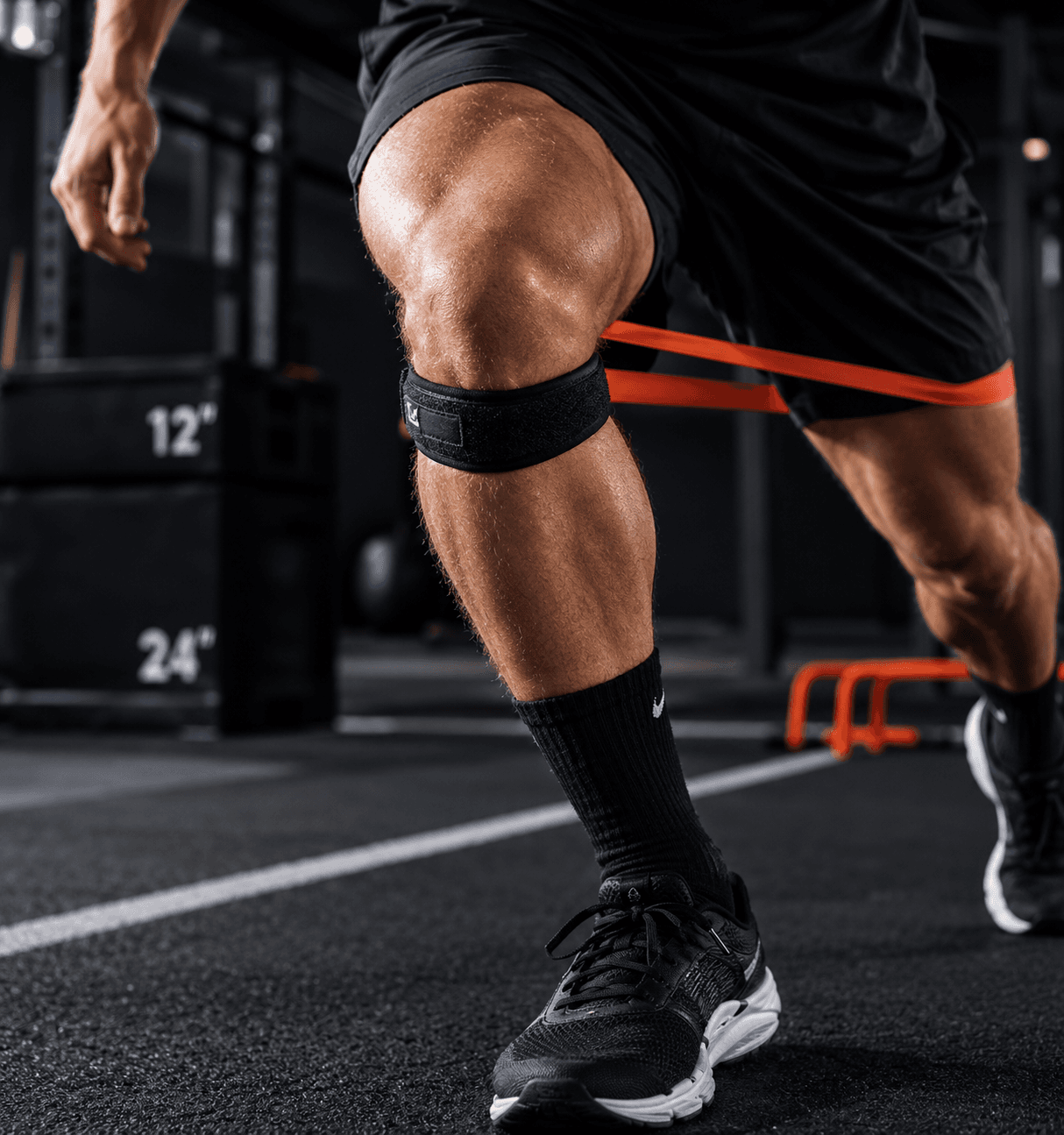
A knee injury tends to trigger one of two extremes. Either training stops completely out of caution, or it continues at full intensity with a hope that it'll "work itself out." Neither is usually the right call. Most knee injuries, once properly diagnosed, still leave plenty of room to train productively, as long as the plan actually respects what's going on in the joint.
Here's a general guide to what tends to be safe, what tends to be risky, and why the specific diagnosis matters more than a generic list ever can.
Why there's no single universal answer here
"Knee injury" covers an enormous range of conditions, a minor patellar tendon irritation, a meniscus tear, an ACL reconstruction, early stage osteoarthritis, and each one has a genuinely different relationship with load and movement. What's protective for one condition can be aggravating for another. This is exactly why generic "avoid these exercises if you have knee pain" lists, including this one, are a starting point for conversation with a medical professional, not a substitute for one.
With that caveat clearly in mind, some patterns do show up consistently across most common knee injuries.
Generally lower risk, with proper form and appropriate load
Controlled range squats and leg presses. Many knee conditions respond reasonably well to squatting within a pain free or low pain range, rather than avoiding knee flexion entirely. Full depth may need to wait, but a partial range version is often still productive.
Straight leg raises and quad focused isometrics. These build quad strength with minimal joint movement, which is frequently useful early in a rehab process when range of motion itself is still limited or painful.
Upper body and core training. There's rarely a reason to pause an entire training program because of a knee issue. Upper body pressing, pulling, and most core work can typically continue as normal.
Stationary cycling at low resistance. Often well tolerated because it keeps the knee moving through a controlled, low impact range without ground reaction forces.
Generally higher risk during an active knee injury
High impact jumping and plyometrics. Box jumps, depth jumps, and similar explosive movements put significant force through the joint and are commonly among the first things to pause during an active injury.
Deep, uncontrolled lunges. Lunges themselves aren't inherently dangerous, but deep ranges done quickly, without control, place substantial stress on structures that may already be compromised.
Running on hard surfaces, especially downhill. The repetitive impact and eccentric loading involved in downhill running in particular tends to aggravate many common knee conditions.
Pivoting and cutting movements. Sports involving quick direction changes place rotational stress on the knee that's frequently restricted until a joint has recovered sufficient stability, particularly after ligament injuries.
The questions worth asking before resuming any movement
Rather than relying purely on a general list, three questions tend to matter more than almost anything else:
Does this movement cause pain during or meaningfully after the activity? Mild, brief discomfort that resolves quickly is viewed differently by most rehab professionals than sharp pain or pain that lingers and worsens over the following day.
Has a professional actually diagnosed what's going on? "Knee pain" without a diagnosis makes it genuinely difficult to know which movements help and which ones delay recovery. A physio or doctor's assessment changes this guide from generic to specific.
Is swelling present or increasing? New or worsening swelling after activity is one of the more reliable signals that a movement was too much for the current stage of healing, regardless of how it felt in the moment.
Why personalized programming matters so much here
A generic workout plan has no way to know whether your knee issue is an irritated tendon that benefits from controlled loading, or a surgical repair that needs a specific, staged rehab protocol. Treating both the same way risks either under training unnecessarily or progressing too fast.
This is where Matt, MVPeak's longevity focused coach, is specifically useful. Programming adjusts around injury history and current limitations rather than assuming everyone training around a knee issue is in the same place, building back load gradually and specifically rather than handing out the same generic "knee friendly" routine to everyone.
FAQ
Can you still work out with a knee injury? In most cases, yes, though which specific exercises are appropriate depends heavily on the diagnosis. Complete rest is rarely necessary or ideal, and most rehab approaches actually include some form of progressive loading rather than full avoidance.
What exercises should you avoid with a meniscus tear? Deep knee flexion under load, pivoting movements, and high impact activity are commonly restricted, at least initially, though this varies based on tear type and severity, which is why a proper diagnosis matters so much here.
How long after knee surgery can you start training again? This varies enormously depending on the specific procedure, from a few weeks for minor arthroscopic work to many months for ligament reconstruction. Following a surgeon or physio's specific timeline is far more reliable than any general guideline.
Is it safe to squat with knee pain? Often yes, within a pain free or low pain range, since many knee conditions respond well to controlled, appropriate loading rather than full avoidance. Pain that's sharp, or that increases with each rep, is a signal to scale back and check with a professional.
Dealing with a knee issue and not sure what's still safe to do? Matt builds your training around your specific injury history and current limitations, not a generic plan. Try it free for 7 days. Find My Coach →
Related read: Squat Form Checklist: 7 Mistakes That Are Quietly Wrecking Your Knees, for the form side of preventing knee issues before they start.
Keep reading
View all posts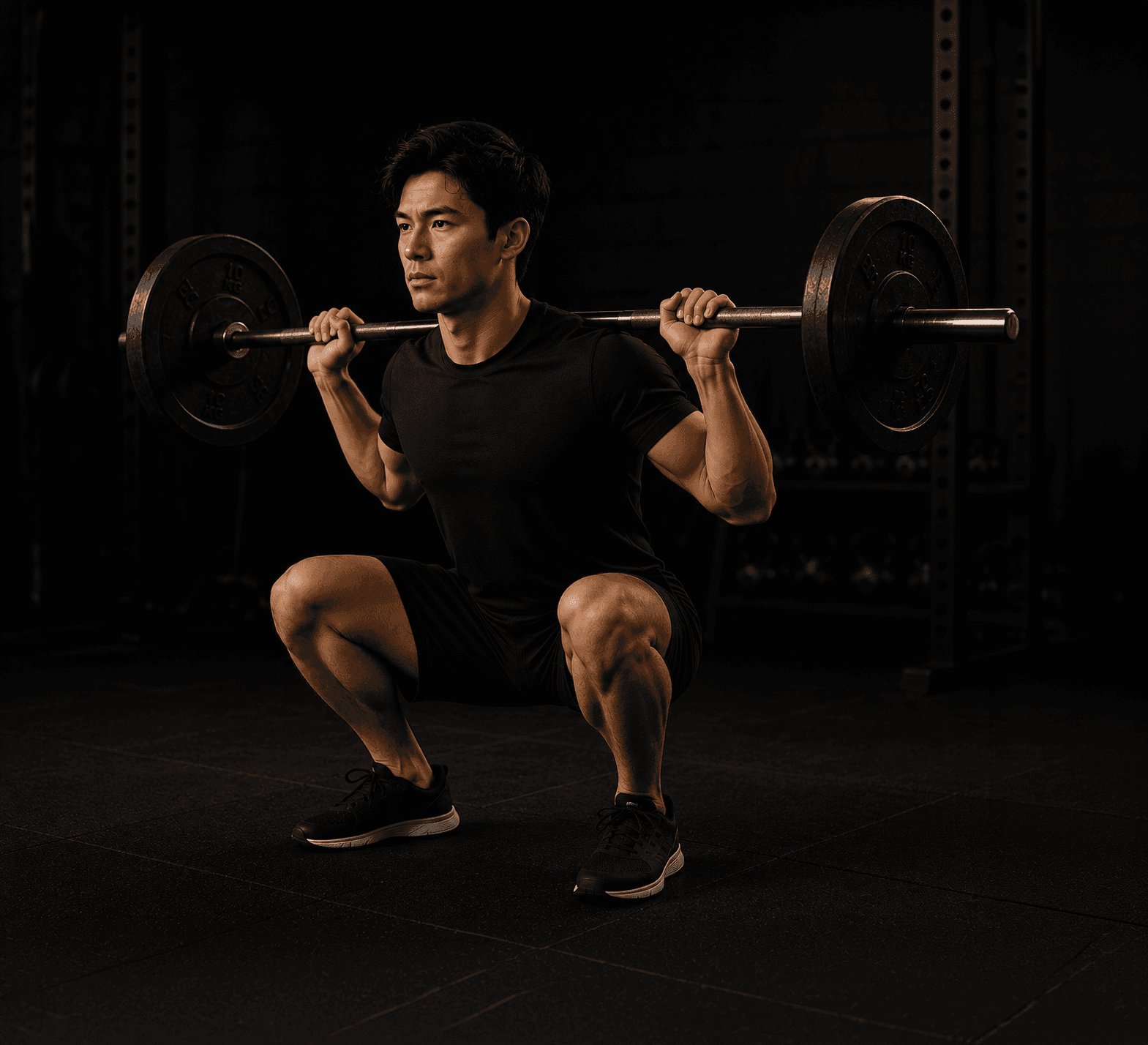
Training
Squat Form Checklist: 7 Mistakes That Are Quietly Wrecking Your Knees
Knee pain from squatting is usually a form issue, not a reason to stop. Here are the 7 mistakes to check first, and how to fix them.

Training
·5 min readTraveling for Work? Here's How to Keep Training Without a Gym or a Plan Falling Apart!
Work travel doesn't have to wreck your training. Here's how to keep progressing from a hotel room, with no gym and no equipment!

Training
·5 min readHybrid Training Explained: How to Train for Strength and Endurance Without Sabotaging Either
You can build strength and endurance at the same time, if you manage the tradeoffs. Here's how hybrid training actually works.
mvpeak
Put the reading into practice
Every coach on this blog trains members in the app, with plans, sessions and meals built around your week.
No credit card required · Cancel any time