Training
··5 min readAI Personal Trainer vs. Human Trainer: What You Actually Get With Each in 2026
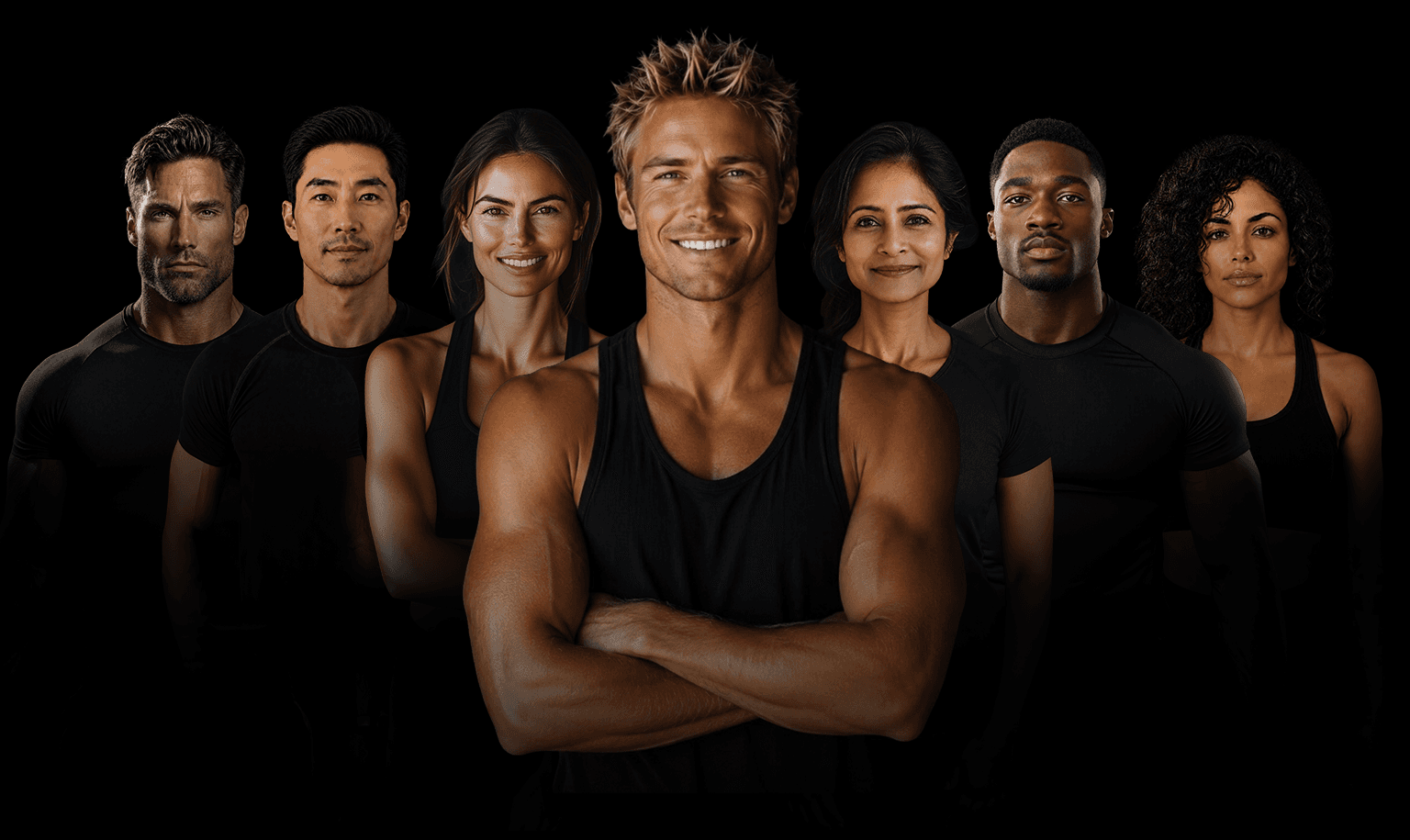
A year ago, "AI personal trainer" mostly meant a chatbot that spat out the same generic workout as everyone else who typed in "build muscle." That's changed fast. The current generation of AI coaching apps can review your equipment, adjust your plan around an old injury, and watch your squat form through your phone camera, things that used to require sitting across from someone in a gym.
That doesn't mean AI has made human trainers obsolete. It means the honest comparison has gotten a lot more interesting. Here's what you actually get with each, without the sales pitch on either side.
The short answer
A human trainer gives you in person accountability, hands on form correction, and a relationship with someone who knows your history without you having to explain it every time. An AI personal trainer gives you a plan that adapts daily, costs a fraction of the price, and is available whenever you actually decide to train, whether that's 6am, 11pm, or from a hotel room with no equipment.
For most people, the deciding factor isn't which one is "better." It's which gaps in your current routine actually matter to you.
What a human personal trainer gives you
Real time, hands on correction. If your form breaks down mid set, a good trainer catches it instantly and can physically adjust your positioning. No app fully replicates that.
Accountability through relationship. Skipping a session means letting down a person you'll see face to face next week. That social pressure is genuinely effective for a lot of people, and it's the hardest thing to replicate digitally.
Flexibility to improvise. A trainer can read your energy that day and change the entire session on the spot, something no fixed program does well.
The tradeoffs are real too: cost (commonly $50 to $150 per session), scheduling around someone else's calendar, and quality that varies enormously from trainer to trainer.
What an AI personal trainer gives you
A plan built around your actual life, not a template. The better AI coaching apps don't hand out the same "beginner program" to everyone. MVPeak, for example, starts with an intake conversation with an AI agent named Max that asks about your goals, training history, and current equipment before matching you to one of six specialist coaches (strength, longevity, consistency, performance, postpartum, or hybrid training). The plan that comes out the other side reflects that conversation, not a generic template.
Form feedback without booking a session. Instead of waiting for your next in person appointment to get squat feedback, you record a set on your phone and get feedback on what to fix, similar to what a trainer would flag in person, just without the $80 hourly rate attached.
Plans that adjust to what you actually own. One of the more practical features is an equipment scan: point your camera at your home gym, garage, or hotel room, and the plan adjusts to use what's actually there instead of assuming a fully stocked gym.
Availability on your schedule, not theirs. No rescheduling around someone else's calendar. If you train at 5:45am or squeeze in a session between meetings, the coaching is there.
A fraction of the cost. Most AI coaching apps run somewhere between the price of a gym membership and a single in person session, for a full month of daily adjusting programming.
The tradeoff: no one is physically standing next to you making sure your bar path doesn't drift. Video feedback closes a lot of that gap, but it isn't identical to a hand on your hip mid squat.
Where AI coaching is quietly better than most people expect
Two areas surprise people who assume AI coaching is a downgrade:
Life stage and injury aware programming. A generalist human trainer might not have deep experience with postpartum recovery or training around a specific old injury. AI coaches trained specifically on those situations, and matched to you because of them, can often give more relevant guidance than a trainer who's improvising outside their specialty.
Consistency over time. Motivation dips are predictable. Most people quit somewhere between week three and week six. Apps built around streaks, challenges, and community accountability are specifically designed to catch that dip, in a way a once a week trainer relationship sometimes can't.
So which one should you actually pick?
- Pick a human trainer if hands on correction and in person accountability are what's been missing, and budget isn't the main constraint.
- Pick an AI personal trainer if cost, scheduling flexibility, or having a plan that adapts to your equipment and life circumstances matter more than physically training alongside someone.
- Many people end up using both. An AI coach for daily programming and consistency, with occasional human sessions for technique heavy lifts.
If you're leaning toward trying an AI coach, the biggest driver of whether it actually works for you is whether the coaching feels personalized or generic. That's worth testing directly rather than taking on faith.
FAQ
Is an AI personal trainer actually safe to use without supervision? For most healthy adults, yes, especially with apps that ask about injury history and adjust programming accordingly, and that offer video form feedback rather than just a static plan. If you have a specific medical condition or recent injury, it's still worth a quick check with a doctor or physio before starting any new training program, AI guided or not.
Can an AI coach really adjust for old injuries or pregnancy? The better ones can, when the intake process specifically asks about it and routes you to a coach trained on that situation, rather than giving everyone the same default plan.
How much does an AI personal trainer app typically cost compared to a human trainer? AI coaching apps generally run on a monthly subscription comparable to a gym membership, while a single session with a human trainer often costs more than a full month of AI coaching.
Do AI personal trainers actually check your form, or just give you a workout list? It depends on the app. Look specifically for video based form feedback. That's the feature that closes most of the gap with in person coaching.
Curious what personalized actually looks like? Answer a few questions and Max will match you with the MVPeak coach built for your goals, equipment, and training style, then you can try it free for 7 days. https://web.mvpeak.app/sign-up
Curious what personalized actually looks like?
Take Advantage Of Our 7 Day Trial https://web.mvpeak.app/sign-up
Related read: The No Equipment Home Workout That Actually Builds Muscle, how equipment aware programming works in practice.
Keep reading
View all posts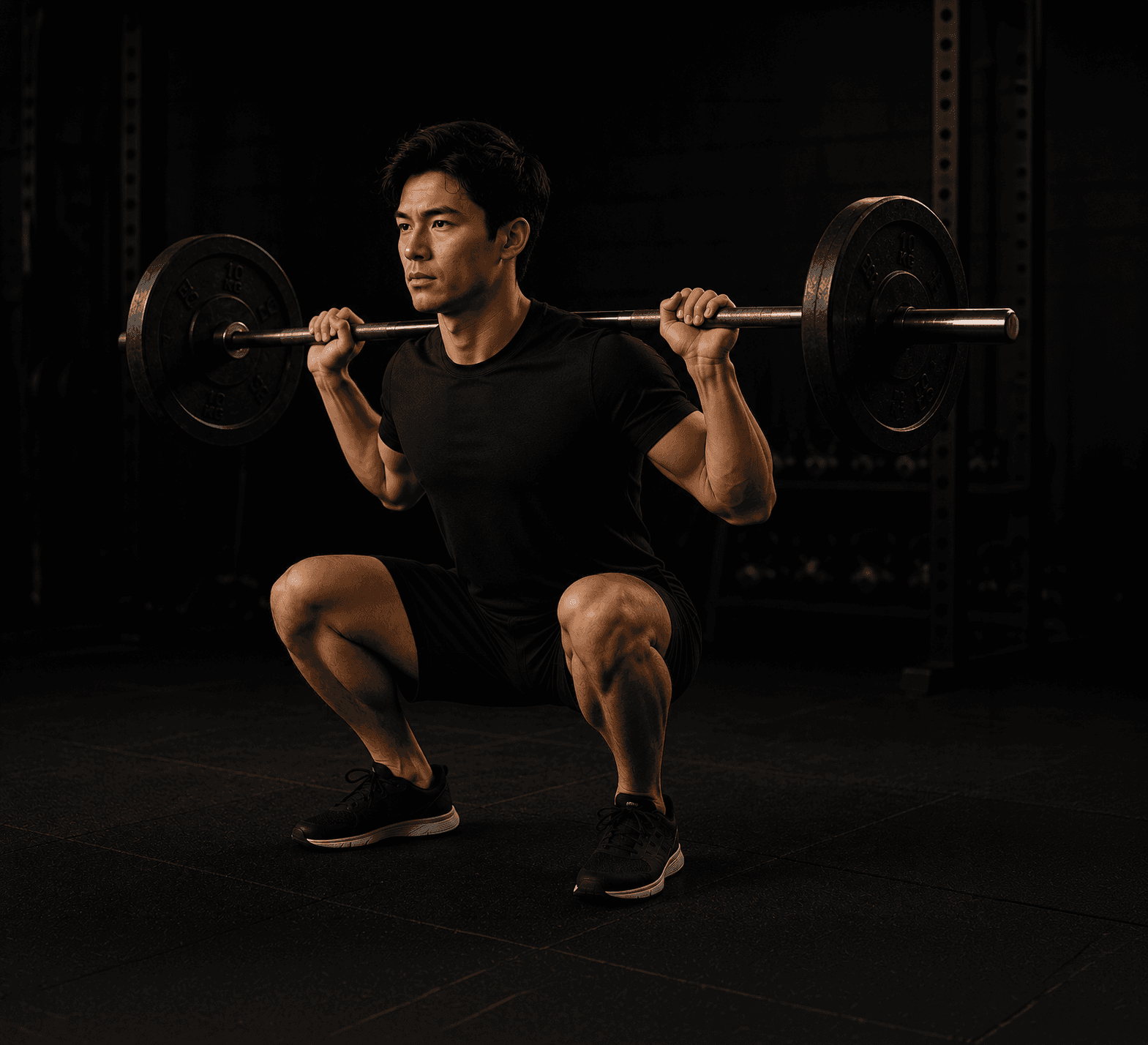
Training
·5 min readSquat Form Checklist: 7 Mistakes That Are Quietly Wrecking Your Knees
Knee pain from squatting is usually a form issue, not a reason to stop. Here are the 7 mistakes to check first, and how to fix them.
Training
·5 min readThe No Equipment Home Workout That Builds Real Muscle
No equipment? No problem. Build real muscle at home with a plan that adapts to whatever space and gear you actually have on hand.
mvpeak
Put the reading into practice
Every coach on this blog trains members in the app, with plans, sessions and meals built around your week.
No credit card required · Cancel any time