
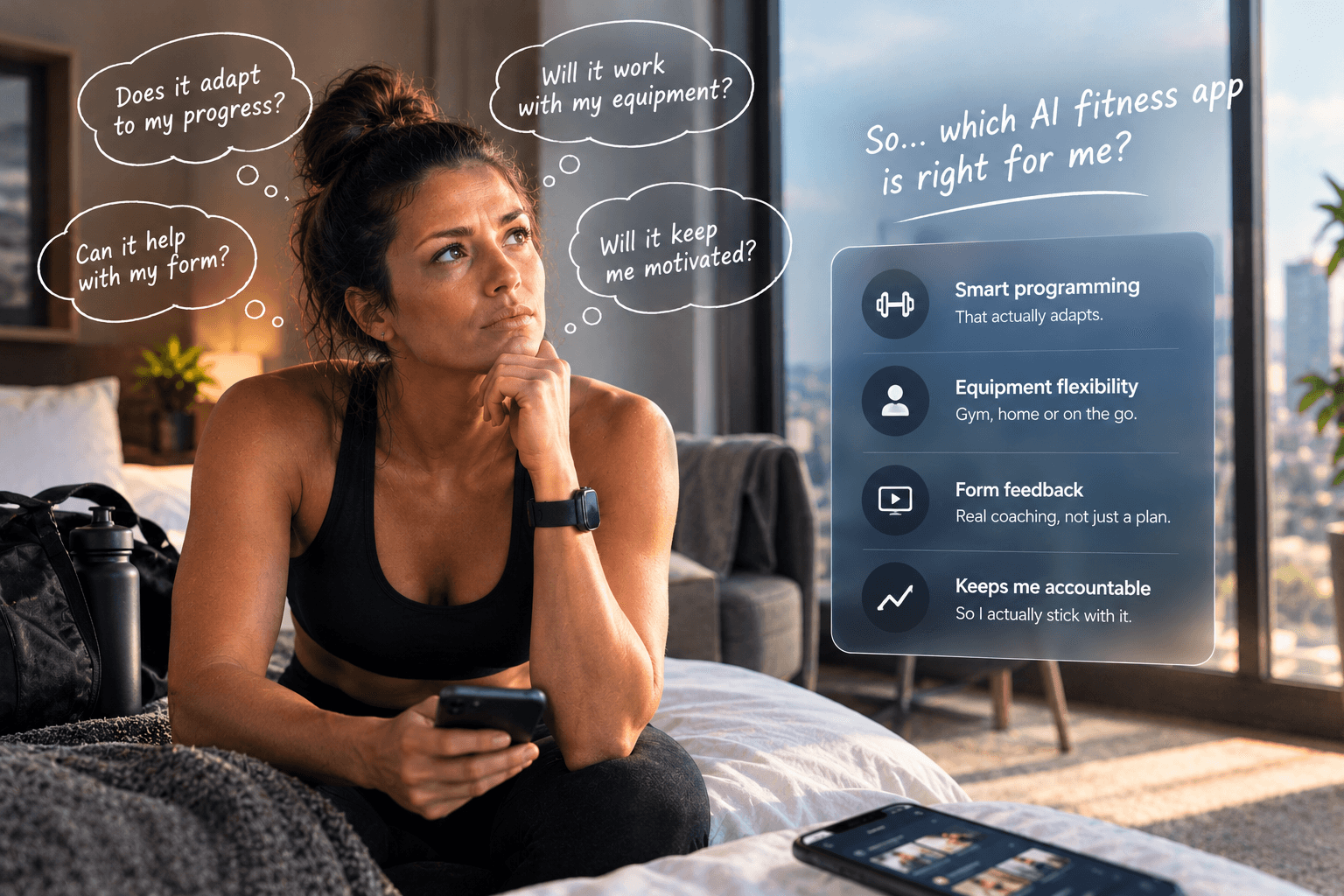
Nearly every fitness app now claims to use AI. That makes the label almost meaningless, because the gap between an app that generates a plan from a one time questionnaire and one that genuinely adapts to how your week is going is enormous.
This is a straight comparison of how the main kinds of AI fitness apps differ, who each one suits, and where each one tends to fall short, including us. Prices and features change often, so treat the figures below as rough guides and check each app's current details before you commit.
How to judge an AI fitness app
Skip the marketing language and test any app against four questions:
Does it adapt after the first day? Some apps build a plan once and leave it fixed. Better ones change your programming based on what you actually log, skip, or struggle with.
Does it know what equipment you have? A plan built for a full gym is useless in a hotel room or a garage with two dumbbells.
Does it help you with form? Exercise selection is the easy part. Telling you what's going wrong in your squat is much harder, and far more valuable.
Does it keep you coming back? The best plan in the world does nothing if you quit in week three. Accountability, community, and visible progress matter as much as the programming.
The three main types of AI fitness app
Most apps in this space fall into one of three groups, and knowing which group you're looking at tells you most of what you need to know.
Algorithm driven strength apps (Fitbod is the best known example)
These apps generate gym workouts from your logged history, available equipment, and recovery, and they handle progressive overload automatically. Reviewers regularly point to Fitbod as a leader here, with pricing reported at roughly the mid teens in US dollars per month.
Best for: Gym regulars who want structured strength programming without hiring a coach. Where they fall short: Coaching and accountability are mostly absent. You get a smart plan, but nobody checks in on you, and form feedback is generally limited.
Bodyweight and HIIT focused AI coaches (Freeletics is a common example)
These lean on AI coaching for bodyweight, interval, and home workouts, often with a free tier before a paid subscription.
Best for: Travelers and home exercisers who want fast, high intensity sessions with little equipment. Where they fall short: Heavy strength progression is harder to build on a mostly bodyweight foundation, and the style suits some goals much better than others.
Human coach plus AI hybrids (Future is a common example)
These pair you with a real person who uses AI to scale their attention. Reviewers typically place them at a much higher price point, with figures reported in the region of a couple of hundred dollars a month.
Best for: People who need human accountability and can justify a premium price. Where they fall short: Cost is the obvious barrier, and your coach's availability still limits how responsive the experience can be.
Where MVPeak fits
MVPeak sits between these groups on purpose. It starts with an intake conversation with Max, which matches you to one of six specialist coaches: Michael for strength, Matt for longevity, Madi for consistency, Miles for performance, Mina for postpartum training, and Mel for hybrid training. From there you get personalized workouts, meal planning, video based technique feedback, an equipment scan that adapts your plan to whatever you have available, and community features like streaks and group challenges.
Best for: People who want specialist style coaching, form feedback, and accountability without paying human coach prices, especially anyone whose situation is not a standard gym lifter, such as postpartum, injury aware, or travel heavy training.
Where it falls short, honestly:
- The coaches are AI, so there is no in person, hands on correction. Video feedback closes a lot of that gap but does not replace someone standing next to you.
- Wearable integration is still on the roadmap rather than live, so apps built around deep recovery data from a watch or ring currently go further in that one area.
- If you only want a pure logbook and an algorithm for gym lifting, a dedicated strength app may be a simpler fit.
How to choose
- Want the smartest gym programming and nothing else? Look at an algorithm driven strength app.
- Want quick bodyweight sessions anywhere? A bodyweight focused coach is built for that.
- Want a human in your corner and have the budget? A coach hybrid is the closest thing to a personal trainer in your pocket.
- Want specialist coaching, form feedback, meal planning, and community in one place at a lower price? That is the gap MVPeak is designed to fill.
Whichever route you take, use the free trial. An app that feels personal in week one and generic by week three will show its hand quickly, and a week of real use tells you more than any comparison article can.
FAQ
What is the best AI fitness app in 2026? It depends on what you need. Algorithm driven apps suit gym lifters who want automatic progression, bodyweight coaches suit home and travel training, and coach hybrids suit people who want human accountability. The right choice is the one matched to your goal and your budget.
Are AI fitness apps worth paying for? For most people, yes, provided you use them consistently. The value comes from structure, progression, and accountability, which are the exact things people struggle to maintain alone.
Can an AI fitness app replace a personal trainer? For programming, progression, and scheduling, increasingly yes. For hands on, in person form correction, not entirely. Many people use an app for daily training and book an occasional human session for technique heavy lifts.
How much do AI fitness apps cost? Pricing varies widely, from free tiers and budget options in the mid teens per month to premium human coaching hybrids at several times that. Check each app's current pricing, since it changes often.
Curious how MVPeak compares in practice? Tell Max about your goals and equipment, meet your matched coach, and judge it yourself with a free 7 day trial. Find My Coach →
Related read: AI Personal Trainer vs. Human Trainer: What You Actually Get With Each in 2026, for a deeper look at where AI coaching beats a human trainer and where it does not.
Keep reading
View all posts
Training
AI Personal Trainer vs. Human Trainer: What You Actually Get With Each in 2026
AI personal trainers now build real time, personalized plans for less than a human coach costs, see what each actually gives you.
Training
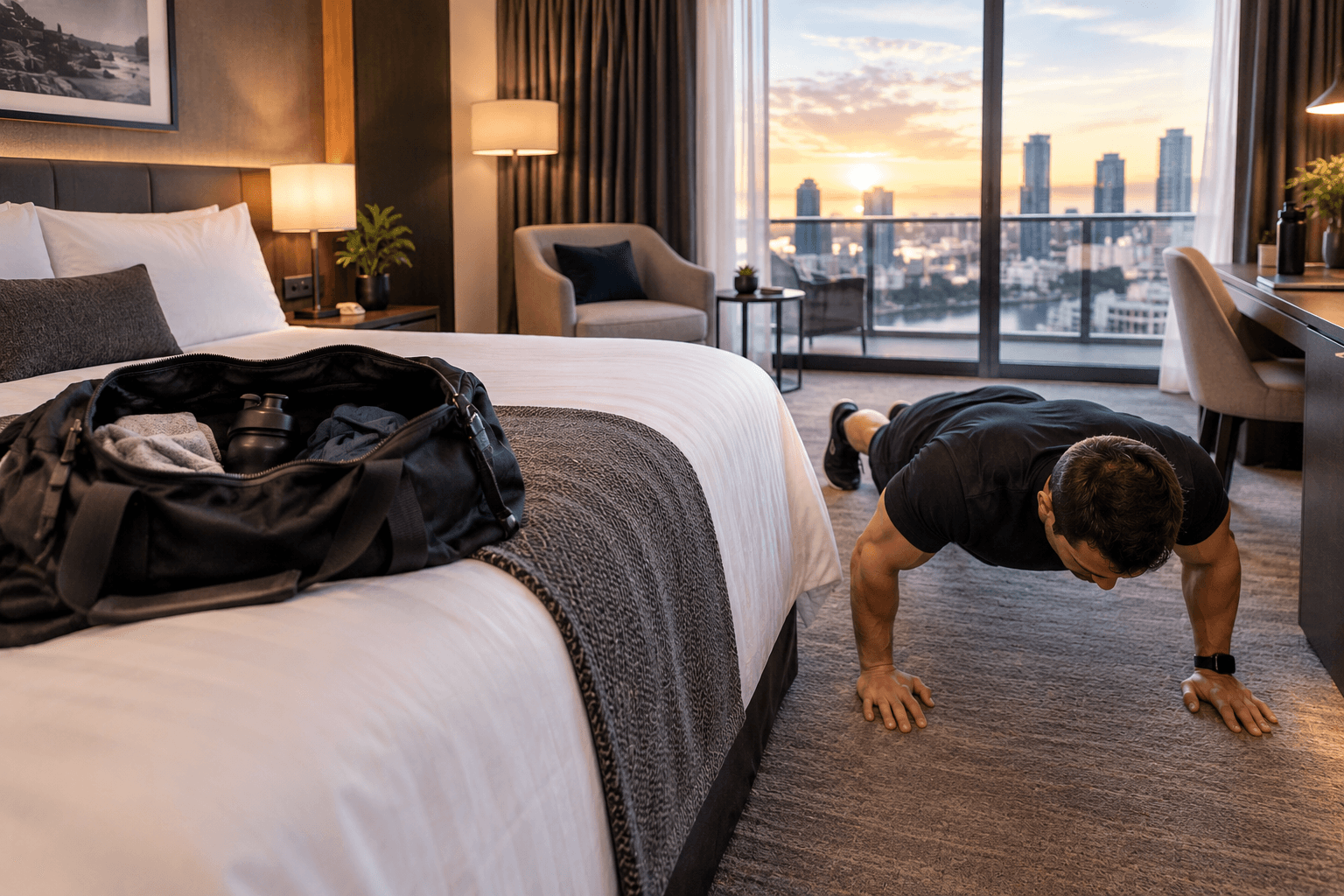
·5 min readTraveling for Work? Here's How to Keep Training Without a Gym or a Plan Falling Apart!
Work travel doesn't have to wreck your training. Here's how to keep progressing from a hotel room, with no gym and no equipment!
Training
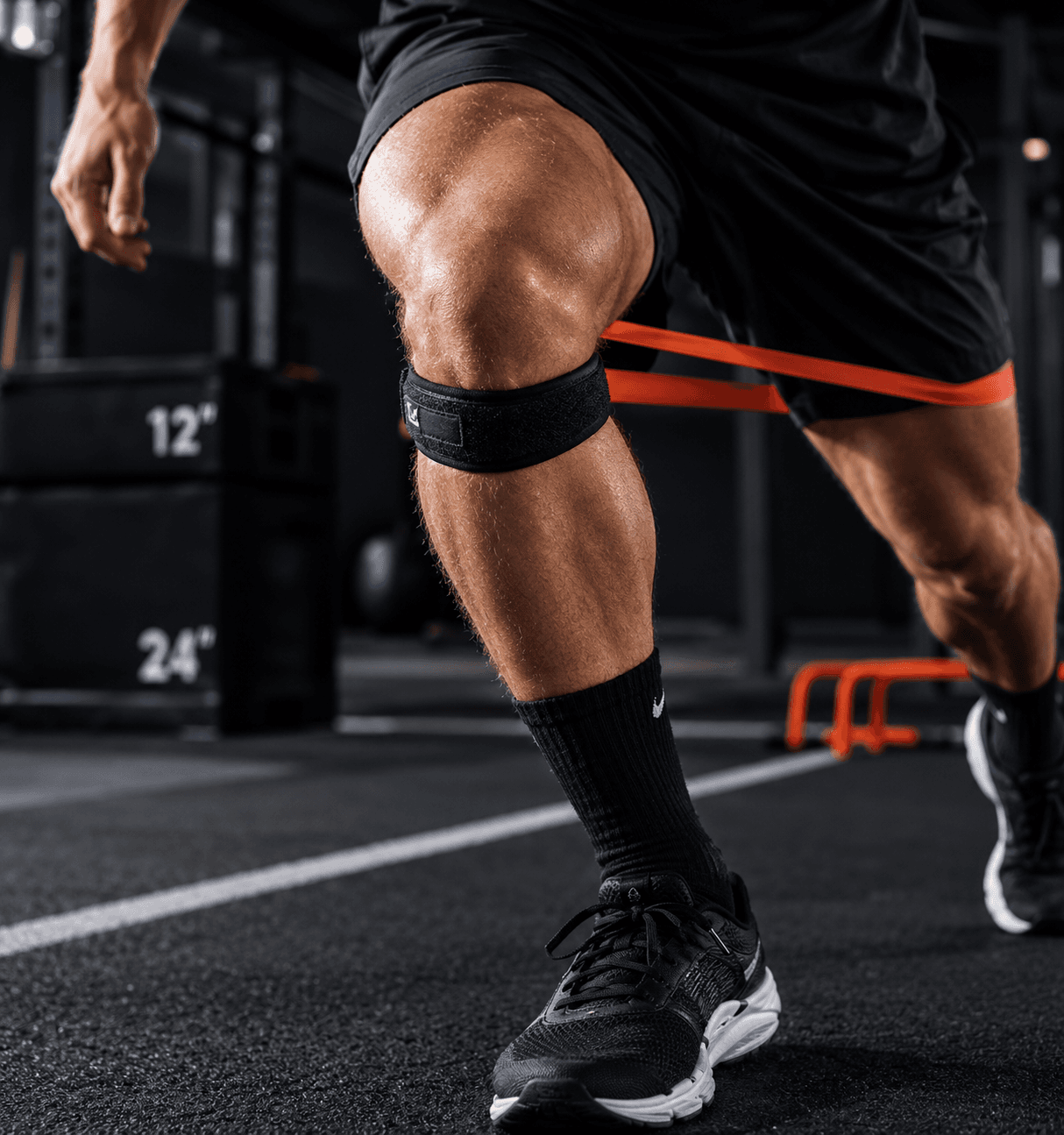
·5 min readTraining Around a Knee Injury: What's Actually Safe to Do (And What Isn't)
A knee injury doesn't mean training has to stop. Here's what's generally safe to keep doing, what to avoid, and why it varies.
mvpeak
Put the reading into practice
Every coach on this blog trains members in the app, with plans, sessions and meals built around your week.
No credit card required · Cancel any time