Why You Keep Quitting Your Workout Routine (It's Not a Motivation Problem)

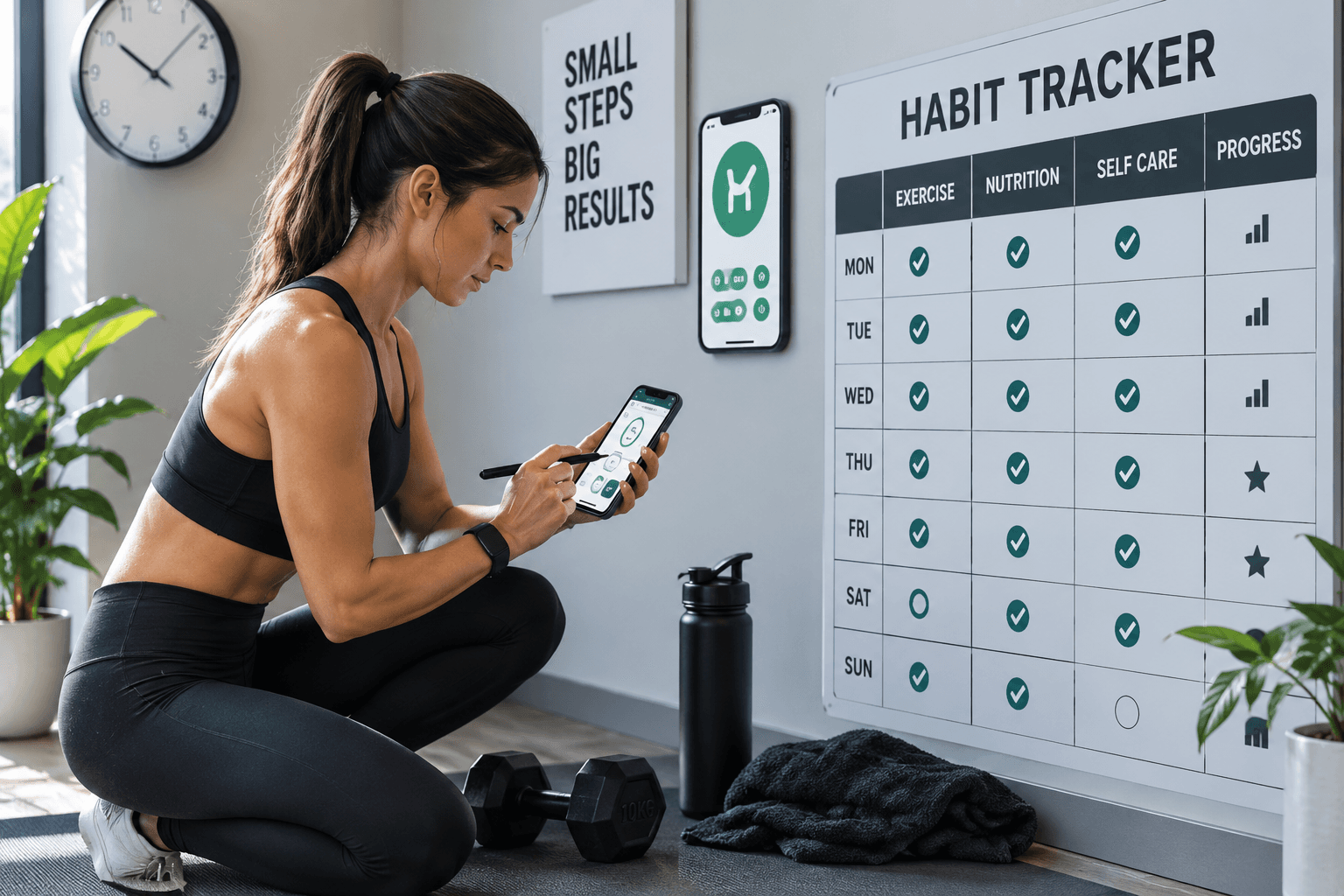
Start strong for two weeks, miss a session, feel guilty, miss another, quit entirely. If that cycle sounds familiar, the usual explanation people reach for is "I just don't have enough motivation" or "I'm not disciplined enough." Neither is accurate for most people, and both lead to the same unhelpful response: trying to feel more motivated next time, instead of fixing what actually broke.
Here's what's really happening when a workout routine falls apart, and what tends to fix it for good.
Motivation was never supposed to carry the whole thing
Motivation is a feeling, and feelings are unreliable by nature. Expecting it to reliably get you to the gym on a Tuesday evening after a bad day at work is like expecting to feel hungry at exactly the same time every day regardless of what you ate that morning. It doesn't work that way for almost anyone.
People who train consistently for years aren't secretly more motivated than everyone else. They've usually just stopped depending on motivation to make the decision each day. The workout happens because of structure, habit, and environment, not because they woke up feeling inspired.
The real reasons workout routines fall apart
The plan doesn't fit the actual schedule. A program built around five sessions a week for someone whose calendar realistically allows three sets up a constant sense of falling behind. Every missed session feels like failure, when the plan was the mismatch, not the person.
There's no clear signal of progress. If you can't tell whether last month's training did anything, it's hard to keep showing up. This is especially common with generic plans that don't track or adjust based on what's actually happening in your sessions.
One missed day turns into a full stop. This is the all or nothing trap. Missing a Monday session doesn't require abandoning the whole week, but it often gets treated that way, especially when there's no simple way to pick back up without feeling like you're starting over.
Nobody notices if you stop. Training entirely alone, with no accountability structure, removes one of the most reliable drivers of consistency: knowing someone or something will notice a gap. Social accountability has a real, measurable effect on adherence, even when the "someone" is a community feed rather than a person you know personally.
The routine is boring, and boredom was never addressed. Doing the exact same four exercises for six months isn't just uninspiring, it also means the plan probably isn't progressing appropriately either, since a well designed program naturally introduces variation as you improve.
What actually builds consistency
Build a plan around your real week, not an ideal one. Three sessions you actually complete beats five sessions you plan and regularly skip. Consistency compounds. An occasionally abandoned ambitious plan doesn't.
Make progress visible. Seeing that your squat went up, or that this week's session was easier than the same one three weeks ago, creates its own momentum in a way that vague good intentions never do.
Design for the missed day, not just the perfect week. A single skipped session should have an obvious, low friction way back in, not a mental reset that makes returning feel harder than it should.
Add a layer of accountability. This can be a training partner, a coach, or a structured system like a streak or a group challenge. The specific mechanism matters less than having something external that notices consistency and gently flags when it breaks.
Expect and plan for boredom. Building in variation, new exercises, changing rep ranges, occasional new goals, keeps a routine from going stale before stagnation becomes a reason to quit.
Why this is a design problem, not a willpower problem
Every point above is something a program or a system can be built to handle, which means consistency is much less about finding more discipline and much more about removing the specific things that keep breaking it. This is exactly what Madi, MVPeak's consistency focused coach, is built around: plans that adapt to your real schedule, visible progress tracking, and streaks and community challenges that add the accountability layer most solo routines are missing. The goal isn't to make you more motivated. It's to make consistency require less motivation in the first place.
FAQ
Why do I lose motivation to work out after a few weeks? Initial motivation is often driven by novelty and excitement, which naturally fades. Long term consistency comes from structure and habit taking over where motivation used to carry the load, not from motivation itself getting stronger.
Is missing a few workouts a sign I should quit the program? No. A missed session is a normal part of any long term routine. The all or nothing thinking that turns one missed day into quitting entirely is usually the bigger problem than the missed day itself.
Does having a workout buddy or community actually help with consistency? Yes. Social accountability is one of the more consistently supported factors in exercise adherence research, whether that accountability comes from a training partner, a coach, or an app based community.
How do you stay consistent with a busy or unpredictable schedule? Build the plan around your actual available time rather than an ideal amount of training, and have a clear, simple way to pick back up after a missed session instead of treating it as a reset.
Tired of routines that fall apart after week three? Madi builds plans around your real schedule and keeps you accountable with streaks and community challenges, not just good intentions. Take the quiz and find your coach. Find My Coach →
Related read: Squat Form Checklist: 7 Mistakes That Are Quietly Wrecking Your Knees, for making sure the sessions you do complete are actually building toward something.
Keep reading
View all posts
Training
·5 min readSquat Form Checklist: 7 Mistakes That Are Quietly Wrecking Your Knees
Knee pain from squatting is usually a form issue, not a reason to stop. Here are the 7 mistakes to check first, and how to fix them.

Nutrition
·5 min readHow Many Meals a Day Should You Actually Eat to Lose Fat? (The Real Answer)
More meals doesn't mean more fat loss. Here's what actually determines results, and how to pick a meal frequency you can stick to!

Training
·5 min readThe No Equipment Home Workout That Builds Real Muscle
No equipment? No problem. Build real muscle at home with a plan that adapts to whatever space and gear you actually have on hand.
mvpeak
Put the reading into practice
Every coach on this blog trains members in the app, with plans, sessions and meals built around your week.
No credit card required · Cancel any time